Hands, feet and gestures
From the first pinch of a pea to pulling up on the couch and waving goodbye: what each skill looks like, play that helps and when to ask about it.
Explore awake play, tummy time and skills from newborn to toddler. Use observations to start a conversation with your care team when you have questions about your baby's development.

From the first pinch of a pea to pulling up on the couch and waving goodbye: what each skill looks like, play that helps and when to ask about it.
Why sleep can wobble around the first birthday, why refusing a nap doesn't always mean one nap is next, how separation plays in, and what helps.
Why toddler sleep often gets bumpy around 18 months, from independence and separation to canine teeth and the one-nap switch, and how to hold bedtime limits kindly.
Why sleep often wobbles around age 2, from fears and nightmares to a new sibling, toilet learning, a new bed and nap changes, and how to set kind bedtime limits.

Why sleep often gets choppier around 4 months, what the signs are, how long it tends to last, what helps and how to keep a rolling baby safe.
Why sleep often gets harder around 8 to 10 months, how separation anxiety, new skills and nap changes play in, what helps, and when waking needs a doctor.
How to move your baby from smooth or mashed food to lumps, finger foods and family meals, how to prepare each texture safely, and what to do about gagging and choking.

What growth spurts are, the ages often quoted and how strong that evidence is, the signs, and how to tell a spurt from illness, a sleep change or low supply.

How to massage your baby step by step, what the evidence says about benefits, which oils to use or avoid, reading your baby's cues and when not to massage.

What most babies do by 2 months, how skills grow towards 3–4 months, simple ways to play, corrected age for premature babies and when to get advice.
What most babies do by 4 and 6 months on the CDC checklists, how skills change in between, how to help through play and when to talk to a professional.

The CDC's 6-, 9- and 12-month checklists explained, when babies sit, crawl and stand, play ideas, home safety and the signs worth raising early.
When babies are vaccinated in Australia, the UK and the US, vaccines offered in pregnancy, RSV protection, normal side effects and when a reaction needs help.
What baby-led weaning (BLW) and spoon-feeding purees involve, how they compare on safety, iron and mess, how to do each one well, and how to combine them.
Why flat spots form on a baby's head, how to prevent and ease them while keeping back-sleeping, torticollis, what sources say about helmets, and when to get it checked.
How much newborns sleep, why they wake so often, what normal sleep noises look like, and how sleep changes over the first 12 weeks.
When babies move from raking to a thumb-and-finger pincer grasp, play and finger foods that help, small-object safety and when to get advice.
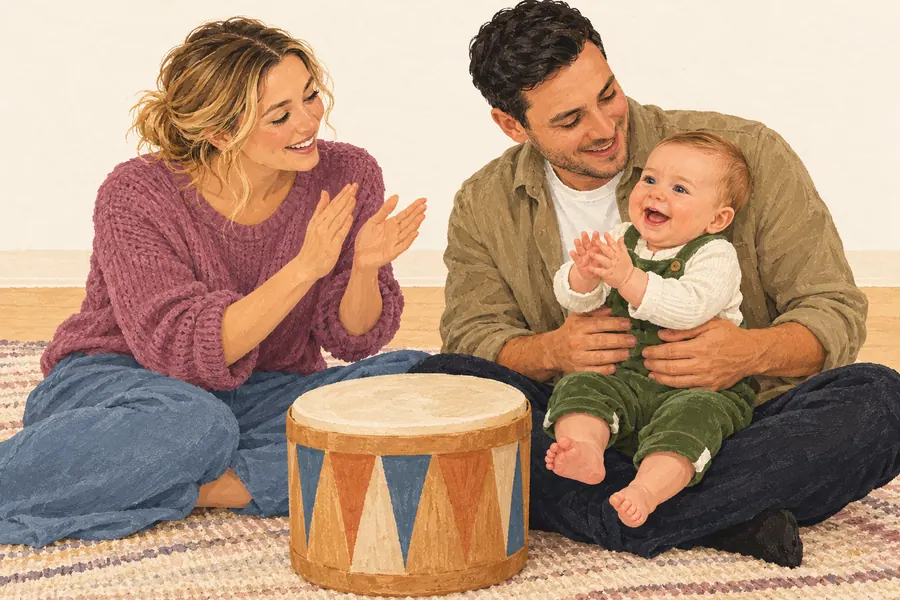
When to start potty training (toilet training), the signs your toddler is ready, a step-by-step plan, accidents, night dryness and when to get help.
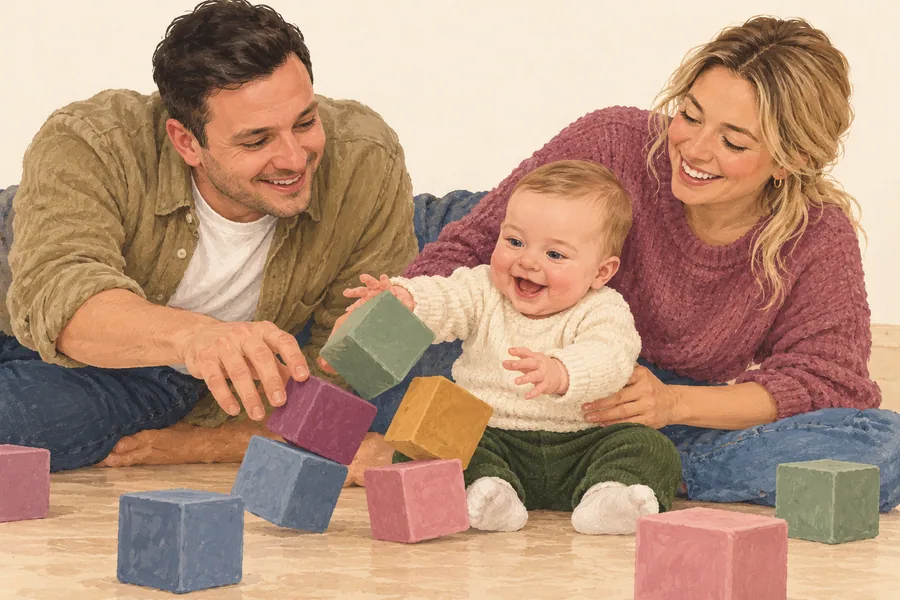
What the WHO, AAP and Australian guidance say about screens from birth to 5, plus video calls, co-viewing, background TV, sleep and a simple family plan.
When separation anxiety starts and peaks, what it looks like, how to handle goodbyes, bedtime and childcare, and when it's more than a normal stage.

The ages sleep regressions are said to happen, what is really changing at each one, how to tell them from teething or illness, and what helps.
When and how to start solids, the signs your baby is ready, what to offer first, how much food by age, and how advice differs in Australia, the UK and the US.

What toddlers' hands can do from 12 to 36 months, from stacking blocks and scribbling to spoons, pages and beads, with play ideas, toy safety and when to ask.
The CDC's 15-month, 18-month and 2-year checklists, the toddler word spurt, play ideas, safety for new walkers and the signs worth checking early.
What toddlers understand and say at 12, 15, 18, 24, 30 and 36 months, gestures, bilingual families, how to help, and when to check speech or hearing.
Why tantrums happen, what to do during one, how to prevent them, biting and hitting, breath-holding spells, and when to get help.
How to start supervised tummy time from birth, how much to aim for as your baby grows, positions that help, and how it relates to flat spots and safe sleep.

How long babies usually stay awake between sleeps from birth to 3, with tired and overtired cues and how to use the ranges without clock-watching.
When babies usually crawl, the different crawling styles, why some skip it, how to encourage it and a room-by-room babyproofing checklist.
When babies pull up to stand, cruise along furniture and stand alone, how to help, cot and furniture safety, stair gates, walkers and when to ask.

When babies usually roll each way, how rolling develops, play that helps, what to do when your baby rolls in their sleep and when to stop swaddling.
How talking develops from cooing and babbling to first words and sentences, word counts by age, how to help, bilingual families and hearing checks.
When babies sit with support and on their own, how sitting develops, how to help through play, why less time in seats helps, safety and when to check.
When babies usually take first steps, how pulling up and cruising lead to walking, how to help safely, shoes, baby walkers and when to get walking checked.

When babies start waving bye-bye, clapping and pointing, how gestures lead to words, games that help, and when missing gestures are worth checking.
Offline-first, and every feature free right now. Log feeds, sleep and nappies in seconds, and keep the memories too.